
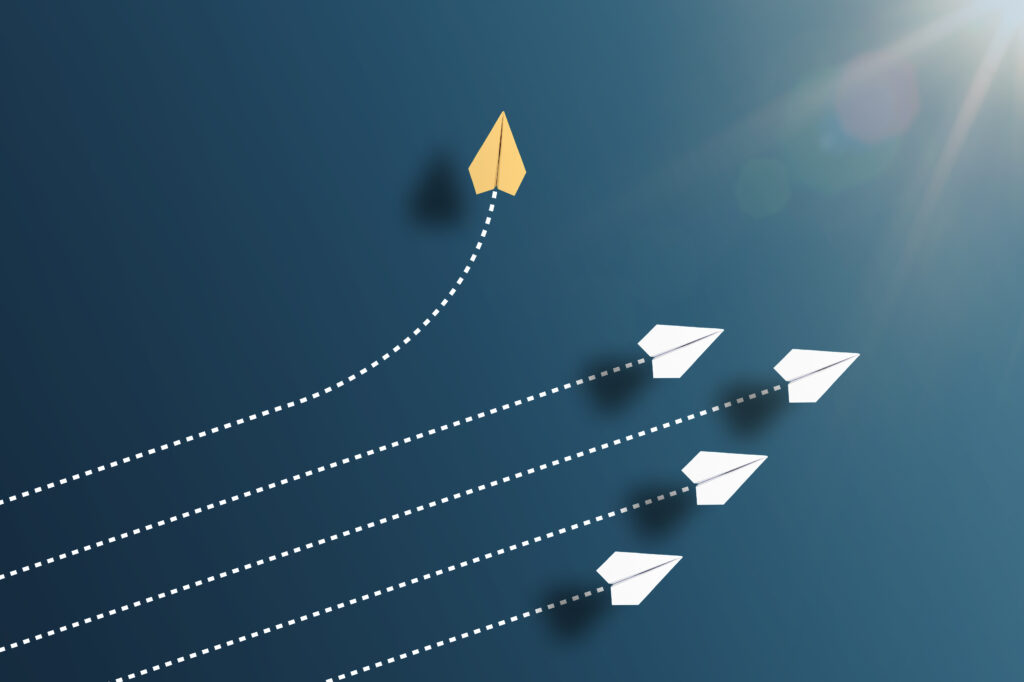
Organizations talk a lot about transformation. There are planning sessions, strategy decks, and ambitious initiatives designed to move the business forward. Yet many of these efforts stall long before meaningful change occurs.
In my work with leaders, I’ve noticed a pattern. Before real change happens, organizations often pass through what I call the three tragedies of change. What I’ve discovered recently is that the personal journey of reinvention is parallel to organizational change.
(You can watch a recent podcast where I share it in simple language.)
The First Tragedy
Something is off, but you can’t really name it.
Leaders say they want change. They talk about improvement. But wanting something isn’t the same as being willing to confront the realities that must change. The same happens personally when you know you want something more but don’t know what it is.
The Second Tragedy
We know what’s wrong, but don’t believe it’s fixable.
Teams analyze the situation, hold meetings, and explore options. The conversation feels productive, but no one has actually crossed the line into commitment. The parallel in your personal life: you know what you want, but don’t believe it’s possible.
The Third Tragedy
We want the change and believe it’s possible, but we don’t want the risk. This is characteristic of the mindset of resistance. Wanting something but not being willing to do what’s required. Many leaders want guarantees before they move forward. But certainty is a feeling based on prediction. Leadership requires something different—clarity about what must be done next. The parallel personally: You want something more, you know what it is, you believe it is possible, but now you have to take the leap into the unknown.
Real transformation, whether it’s personally or organizationally, begins when at the fulcrum point of change—the moment willingness replaces hesitation.
That’s when conversations become decisions, and decisions become movement.
In a recent SmartBrief article, I explore how leaders can recognize this turning point and why so many transformations stall before it ever arrives.